1. Material Overview at a Glance
Before diving into detail, here is a quick orientation. All three materials are used for jewelry, cosmetic and gift packaging — the differences lie in texture, sheen, price and brand positioning:
| Material | Texture | Sheen | Price (100 pcs) | Best For |
|---|---|---|---|---|
| Velvet | Soft pile, plush | Subtle, diffused | $0.35–0.90 | Jewelry, fine gifts, luxury brands |
| Satin | Smooth, flat | High, mirror-like | $0.25–0.70 | Weddings, beauty, promotions |
| Organza | Sheer, light | Shimmering | $0.20–0.50 | Gift favour bags, light accessories |
| Suede (faux) | Matte, leather-like | None (flat matte) | $0.50–1.20 | Watches, pens, premium accessories |
| Cotton velvet | Deep pile, natural | Low, rich | $0.60–1.50 | Sustainable brands, natural products |
2. Velvet Pouches — Deep Dive
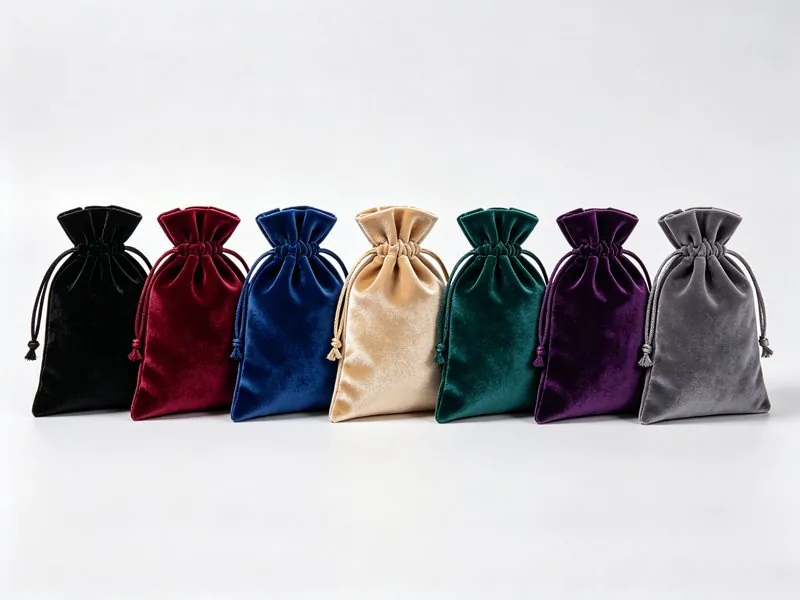
Velvet is the default material for premium jewelry packaging worldwide. The dense cut pile creates a surface that is simultaneously protective (gentle on metal and gemstones), visually rich and immediately associated with luxury in the minds of consumers.
Construction
Standard packaging velvet is woven from polyester pile yarns on a plain or twill base. The pile height (typically 1.5–3mm) and pile density (threads per cm²) determine the plushness. At 180–220 gsm, polyester velvet has sufficient body to hold its shape when formed into a pouch, while remaining soft enough to drape naturally around contents.
Logo Performance
Hot foil stamping (gold, silver or custom colour) is the gold standard for velvet — the metallic film adheres cleanly to the pile, creating a flat reflective logo that contrasts beautifully with the textured background. Embroidery is equally popular, creating a tactile raised logo. Screen printing is not recommended on velvet: the ink tends to sit unevenly on the pile.
Ideal Applications
- Fine jewelry: Rings, necklaces, bracelets, earrings — the soft interior prevents metal from tarnishing and gemstones from scratching
- Luxury retail gift packaging: High-end gifts that need to convey premium value before the product is even seen
- Corporate gifts: When the packaging itself is part of the gift
3. Satin & Organza Pouches — Deep Dive
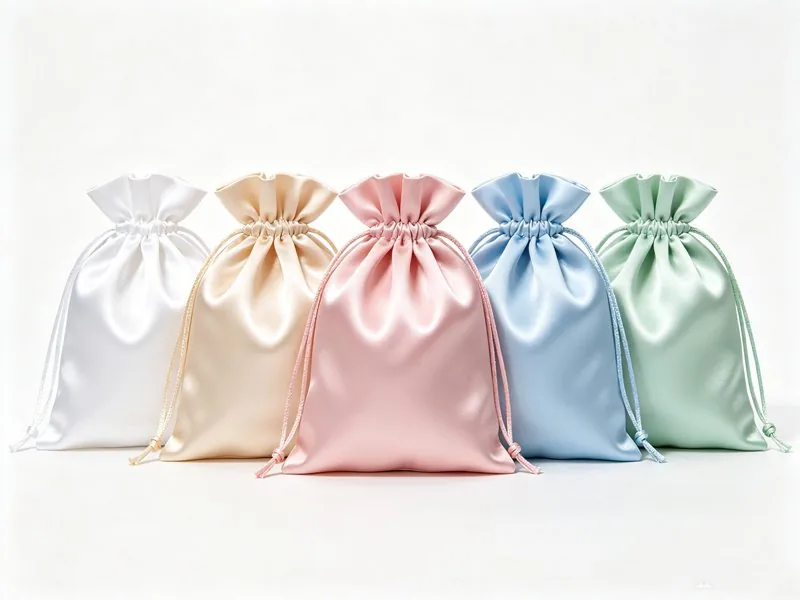
Satin pouches are woven from polyester with a smooth, glossy surface — the high-sheen finish reflects light like silk, creating an effect that reads as elegant and celebratory rather than deeply luxurious. Organza is a lighter, sheer variant that allows the contents to be partially visible through the fabric.
Where Satin Excels
Satin pouches are the dominant choice for wedding favour packaging. The pearlescent surface photographs extremely well on social media and complements white, blush and champagne colour palettes. Satin pouches are also widely used in beauty packaging for lip gloss sets, eyeshadow palettes and perfume samples — the lighter weight works well for cosmetics compared to the heavier velvet.
Limitations to Be Aware Of
Satin scuffs and marks more easily than velvet in high-handling retail environments. If the pouch will be frequently handled — in a jewelry display drawer, for example — velvet's more forgiving pile texture is preferable. Satin also shows fingerprints and dust more readily, which matters for retail display contexts.
4. Suede Pouches — Deep Dive
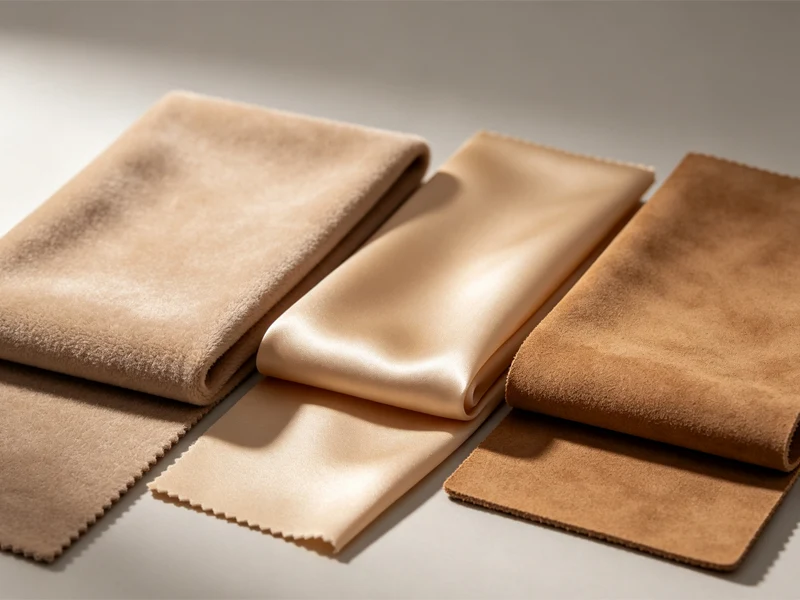
Faux suede (also called microfibre suede or Alcantara-style fabric) is a non-woven synthetic material with a flat, slightly textured matte surface that mimics the appearance and feel of genuine suede leather. It has a distinctly different aesthetic from velvet — where velvet reads as opulent, suede reads as refined and understated.
Why Suede Wins for Watches and Premium Accessories
The matte, leather-adjacent quality of suede aligns naturally with the materials used in watch cases, pen boxes and premium leather goods. Many watch brands use suede pouches as secondary packaging alongside a hard case, and it is the preferred material for custom pen pouches and USB drive packaging in corporate gift contexts.
Logo on Suede
Embossing (applying heat and pressure to create a debossed impression) works exceptionally well on suede — the result is a subtle, tactile logo that feels very deliberately premium. Hot stamping also works, though the matte surface means the foil contrast is less dramatic than on velvet. Screen printing is clean and crisp on suede due to the flat surface.
5. Side-by-Side Comparison
| Criteria | Velvet | Satin | Suede |
|---|---|---|---|
| Scratch protection | Excellent | Good | Very good |
| Best logo method | Hot stamp, embroidery | Screen print, heat transfer | Embossing, screen print |
| Colour range | 20+ standard | 20+ standard | 10–15 standard |
| MOQ | 100 pcs | 100 pcs | 100 pcs |
| Durability | Very high | Moderate | High |
| Photography appeal | Rich, textured | Bright, glossy | Understated, natural |
| Price index | $$ | $ | $$$ |
6. How to Choose for Your Brand
The right material depends on four factors: your product, your price point, your target customer and your brand aesthetic.
- Luxury jewelry brand targeting USD 200+ customers: Velvet in black or deep navy with gold hot stamp. This is the industry default for good reason.
- Wedding favour brand or event planner: Satin in white, blush or champagne. Cost-effective, beautiful in photography, widely expected by end consumers.
- Premium watch or accessory brand: Suede in charcoal, tan or forest green with embossing. Aligns with the material language of your product category.
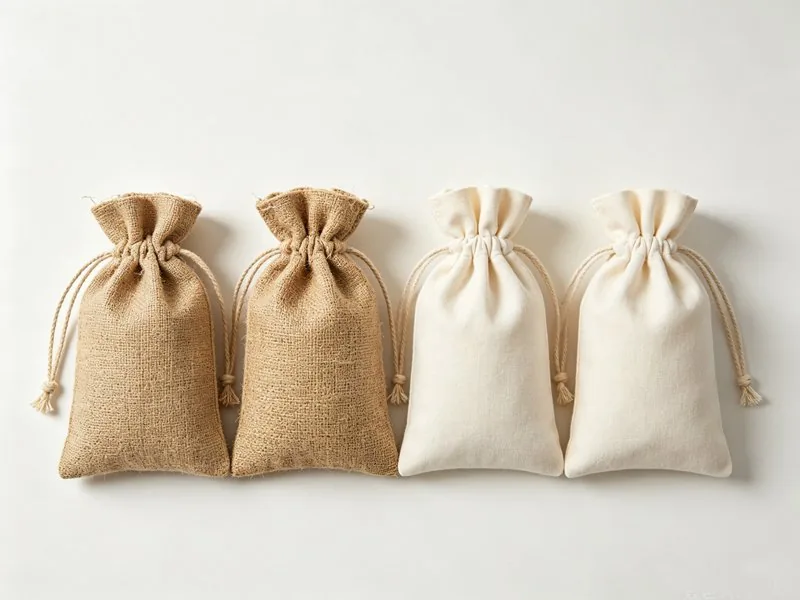
- Sustainable or natural beauty brand: Cotton velvet or linen in natural tones with screen-printed logo. Signals material values that matter to your customer base.
- Corporate gift programme: Velvet or suede depending on gift value. At USD 50+ gift value, suede adds a premium touch without the price of premium velvet.
Not Sure Which Material to Choose?
Request a free sample pack — we'll send you swatches of velvet, satin and suede so you can feel the difference before committing to a bulk order.
7. Frequently Asked Questions
What is the difference between velvet and satin pouches?
Velvet has a dense, soft pile creating a plush, textured surface with subtle sheen — associated with luxury jewelry packaging. Satin is smooth, flat and highly lustrous with a mirror-like shine — preferred for weddings, beauty products and occasions where the packaging needs to photograph well. Velvet is more protective and durable; satin is lighter and more decorative.
Which is best for jewelry packaging — velvet or suede?
Both work well for jewelry, but they convey different brand aesthetics. Velvet reads as opulent and traditional — it is the global default for fine jewelry. Suede reads as refined and modern — it is preferred by contemporary, minimalist or watch-focused brands. Velvet offers more colour choices; suede offers more logo embossing options.
Can I order samples of all three materials before deciding?
Yes. Genesis offers sample packs including velvet, satin, suede and linen pouches in standard sizes. Sample cost is typically USD 20–40 depending on the combination requested, refundable against your first bulk order of 500 pieces or more. Most buyers who request a sample pack make their material decision immediately upon receiving it.