1. Primary vs Secondary Packaging
Beauty packaging splits into primary (the bottle, jar, tube that holds the product) and secondary (the printed carton, pouch, insert and outer that present and protect it). As a packaging manufacturer we produce the secondary layer — the printed boxes, pouches, inserts and accessories that carry your brand — which is where most of the visible branding budget goes.
2. Cosmetic Boxes
Two main box types serve beauty:
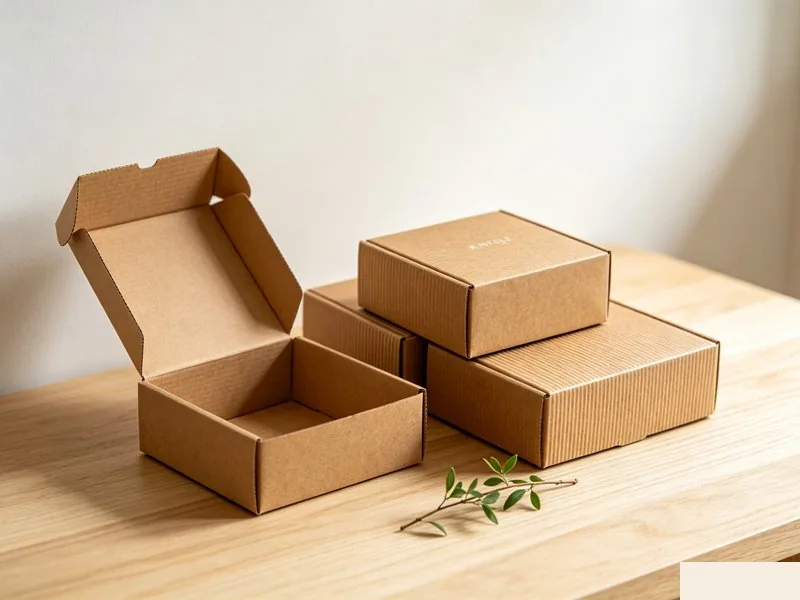
- Folding cartons — lightweight printed cardboard for single skincare items, lipsticks and everyday SKUs. Cost-effective, ship flat, fast to produce.
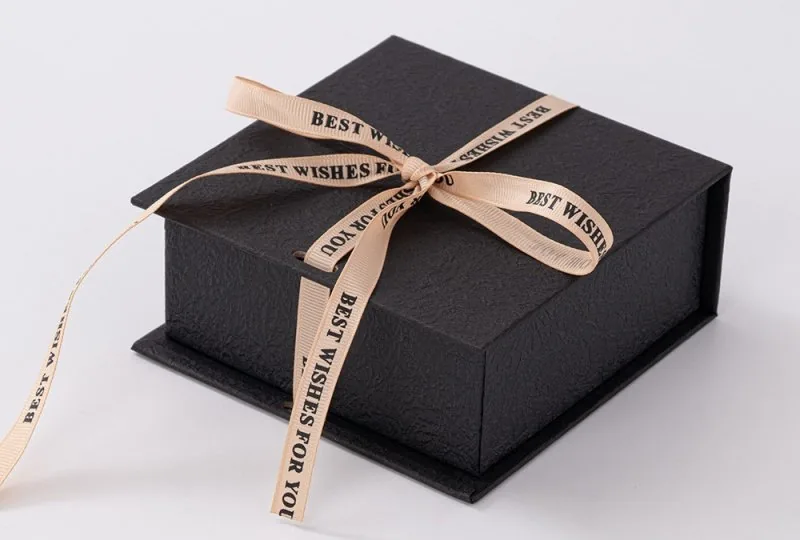
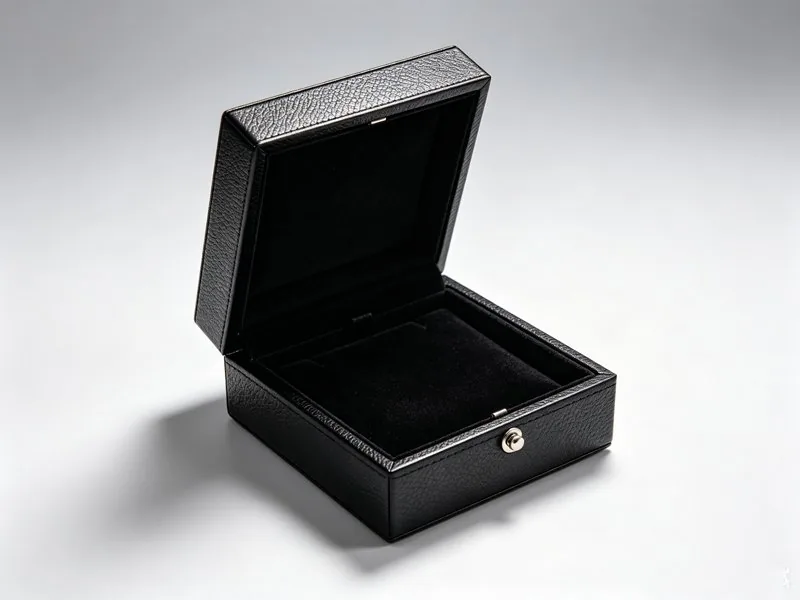
- Rigid boxes — magnetic or lidded boxes for gift sets, premium serums and limited editions. Heavier, more expensive, far more premium.
Most brands use folding cartons for core products and reserve rigid boxes for gift sets and hero SKUs.
3. Pouches & Bags
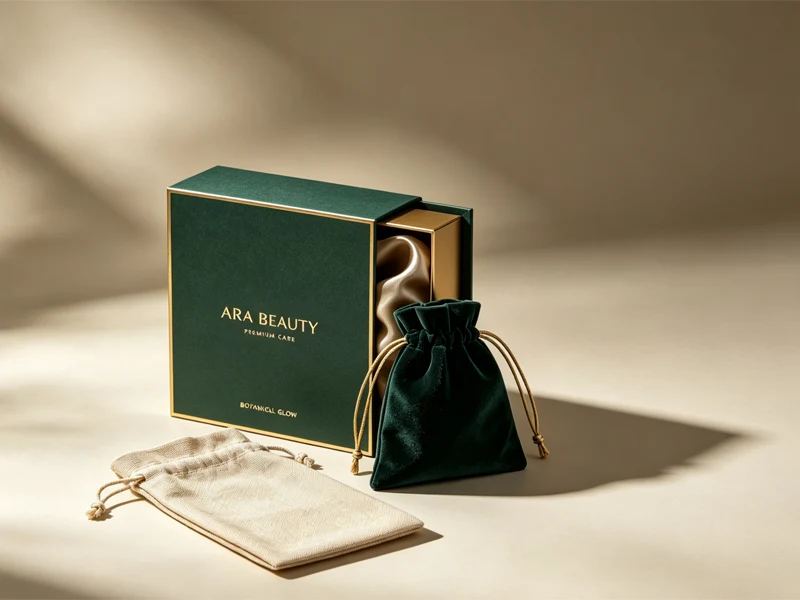
Pouches serve beauty in several ways: velvet or satin pouches for gift sets and travel kits, cotton pouches for a clean natural look, organza bags for samples and GWP (gift-with-purchase), and drawstring bags as reusable travel cases that keep your brand in the customer's hand daily.
4. Premium Finishes
Finishes are how beauty packaging signals price tier:
| Finish | Effect | Best for |
|---|---|---|
| Soft-touch lamination | Velvety matte feel | Modern premium skincare |
| Hot foil (gold/silver) | Metallic shine | Luxury, festive, logos |
| Spot UV | Glossy raised accent | Highlighting logo/pattern |
| Embossing | Raised tactile detail | Heritage/luxury brands |
5. Sustainability & PPWR
Beauty is under real scrutiny on packaging waste, and the EU's PPWR regulation is tightening requirements for recyclability and minimized packaging. Practical moves: FSC-certified board, mono-material designs (avoid mixed plastic/foil laminates that can't be recycled), paper-based inserts instead of plastic, and refillable structures for hero products. These choices increasingly affect whether you can sell into the EU at all.
6. Labeling & Compliance
Secondary packaging often must carry regulated information: ingredient (INCI) lists, net weight, batch code, PAO (period-after-opening) symbol, responsible-person address for the EU/UK, and recycling marks. We leave correctly-sized, print-safe areas for these during artwork — but the regulatory content itself is your responsibility to confirm for each market. Build the label content early so it doesn't force a redesign later.
Frequently Asked Questions
What packaging do cosmetic brands need?
Beauty brands typically need secondary packaging: a printed folding carton or rigid box for each product, pouches or bags for gift sets and samples, inserts to hold items, and accessories like ribbon and tissue. Primary containers (bottles/jars) are sourced separately.
Folding carton or rigid box for cosmetics?
Use lightweight folding cartons for core SKUs and everyday products — they're cheaper and ship flat. Use rigid boxes (magnetic or lidded) for gift sets, hero serums and limited editions where a premium reveal justifies the higher cost.
Is cosmetic packaging affected by EU PPWR?
Yes. The EU Packaging and Packaging Waste Regulation tightens recyclability and minimization requirements. Choose FSC board, mono-materials (avoid non-recyclable plastic/foil laminates), paper inserts and refillable designs where possible to stay compliant.
Do you handle regulatory label areas on the box?
We leave correctly-sized, print-safe areas for required information such as INCI lists, net weight, batch code, PAO symbol and recycling marks. Confirming the actual regulatory content for each market is the brand's responsibility — we recommend finalizing it before artwork.
Get a Custom Quote in 24 Hours
Free samples, free artwork mock-up, MOQ from 100 pieces. Factory-direct from Xiamen since 2014.