1. How Each Is Built
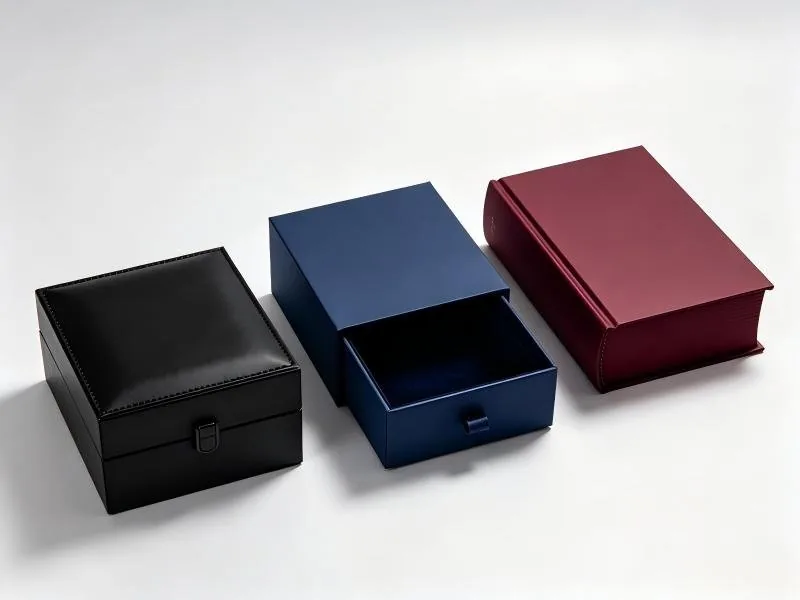
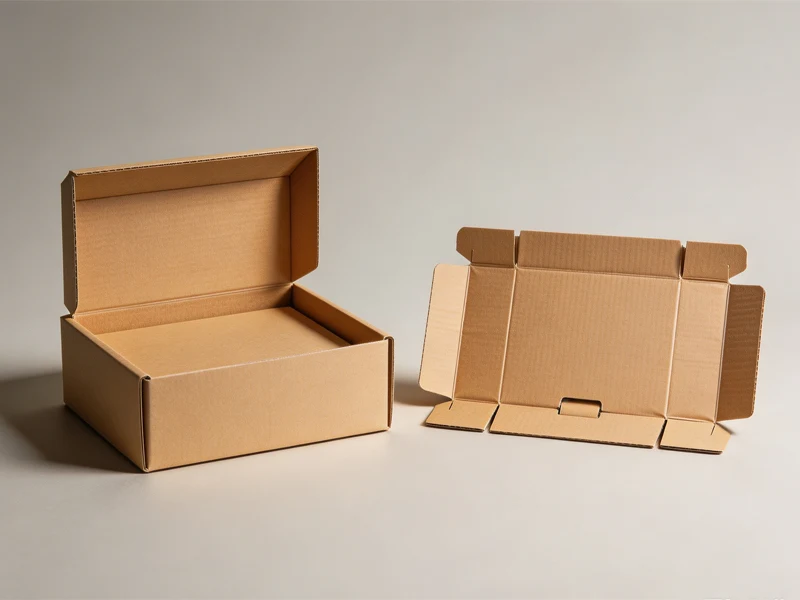
A folding carton is made from a single sheet of printed cardboard (250–450 gsm) that is die-cut, creased and folded — it ships and stores flat, then pops into shape. A rigid box is built from thick greyboard (1,200–1,600 gsm) wrapped in printed paper; it arrives pre-formed and holds its shape permanently, which is what gives it that solid, gift-worthy heft.
2. Rigid Boxes
- Feel: heavy, solid, luxurious — the "unwrapping a gift" experience.
- Best for: jewelry, premium cosmetics, tech, gift sets, limited editions.
- Trade-offs: higher unit cost, ships pre-formed (bulkier), longer production.
3. Folding Cartons
- Feel: light, clean, efficient — standard retail packaging.
- Best for: everyday retail SKUs, skincare, supplements, food, high-volume lines.
- Trade-offs: less premium heft; relies on print/finish to feel special.
4. Cost & Shipping Compared
| Factor | Rigid Box | Folding Carton |
|---|---|---|
| Unit cost | Higher ($0.80–$6) | Lower ($0.10–$1) |
| Ships to you | Pre-formed (bulky) | Flat (compact) |
| Premium feel | Very high | Moderate |
| Production time | Longer | Faster |
| MOQ | 100+ | 500–1,000+ |
The flat-shipping advantage of folding cartons matters more than people expect: rigid boxes take far more freight volume, so at high quantities the landed cost gap widens beyond the unit price alone.
5. Hybrid & Collapsible Options
If you want a rigid look with folding-carton shipping economy, collapsible rigid boxes (foldable magnetic boxes) are the answer — they ship flat and assemble with magnets, cutting freight dramatically while keeping most of the premium feel. They cost a little more per unit than a standard rigid box but can save more than that in shipping at volume.
6. How to Choose
- Premium, gift-worthy, higher price point → rigid box.
- Everyday retail, high volume, cost-sensitive → folding carton.
- Want premium feel but ship flat → collapsible rigid box.
- Small MOQ needed → rigid box starts at 100; cartons often need 500–1,000.
Frequently Asked Questions
What is the difference between a rigid box and a folding carton?
A folding carton is made from a single sheet of thin cardboard that ships flat and folds into shape — light and cheap. A rigid box is built from thick greyboard wrapped in printed paper, arrives pre-formed, and feels heavy and premium. Rigid = gift-worthy; folding carton = everyday retail.
Which is cheaper, rigid or folding carton?
Folding cartons are significantly cheaper per unit (roughly USD 0.10–1 vs USD 0.80–6 for rigid) and ship flat, saving freight. Rigid boxes cost more but deliver a premium, keepsake experience worth it for higher price points.
Can I get a rigid box that ships flat?
Yes — collapsible (foldable) rigid boxes ship flat and assemble with magnets, giving most of the premium feel of a rigid box while cutting freight volume dramatically. They cost slightly more per unit but often save more in shipping at volume.
What is the MOQ for each box type?
Rigid boxes start at 100 pieces. Folding cartons usually have a higher MOQ of 500–1,000 pieces because of die-cutting and print setup, but the low unit cost makes larger runs economical.
Get a Custom Quote in 24 Hours
Free samples, free artwork mock-up, MOQ from 100 pieces. Factory-direct from Xiamen since 2014.