1. Cotton vs Linen at a Glance
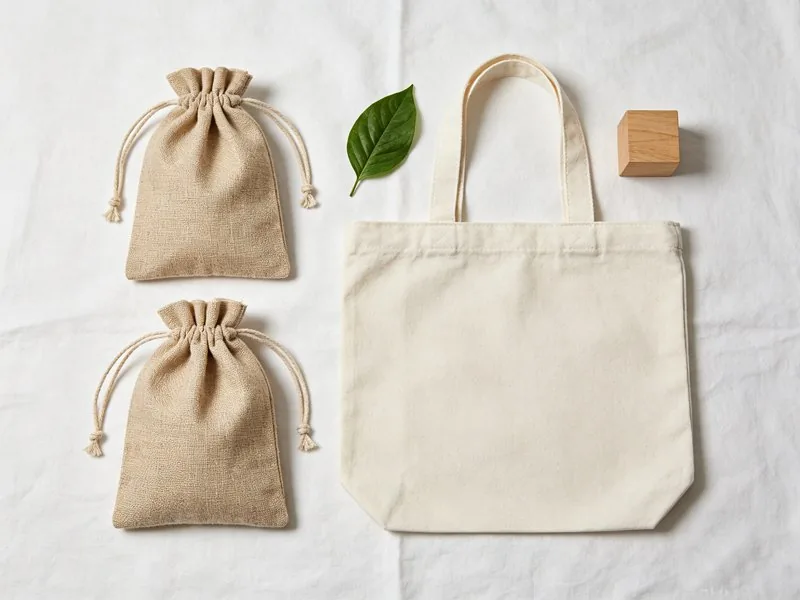
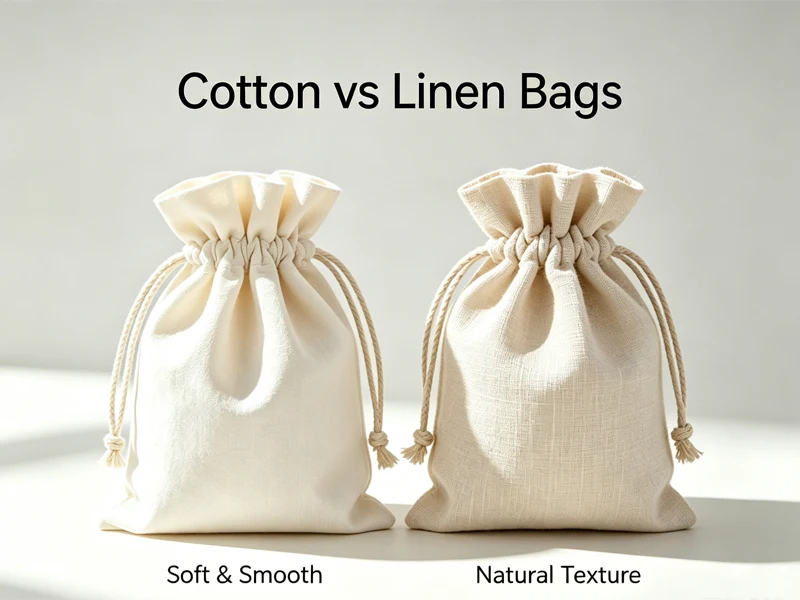
Both are natural, breathable, biodegradable plant fibers — but cotton is soft and uniform while linen is textured and rustic. That single difference drives most branding decisions.
| Attribute | Cotton | Linen |
|---|---|---|
| Texture | Soft, smooth, uniform | Coarse, slubby, natural weave |
| Look | Clean, minimalist | Rustic, artisanal, premium-natural |
| Print quality | Excellent, crisp | Good, with visible weave texture |
| Durability | Very good | Excellent (stronger fiber) |
| Price (100 pcs) | $0.30–$0.70 | $0.45–$0.95 |
2. Cotton Pouches
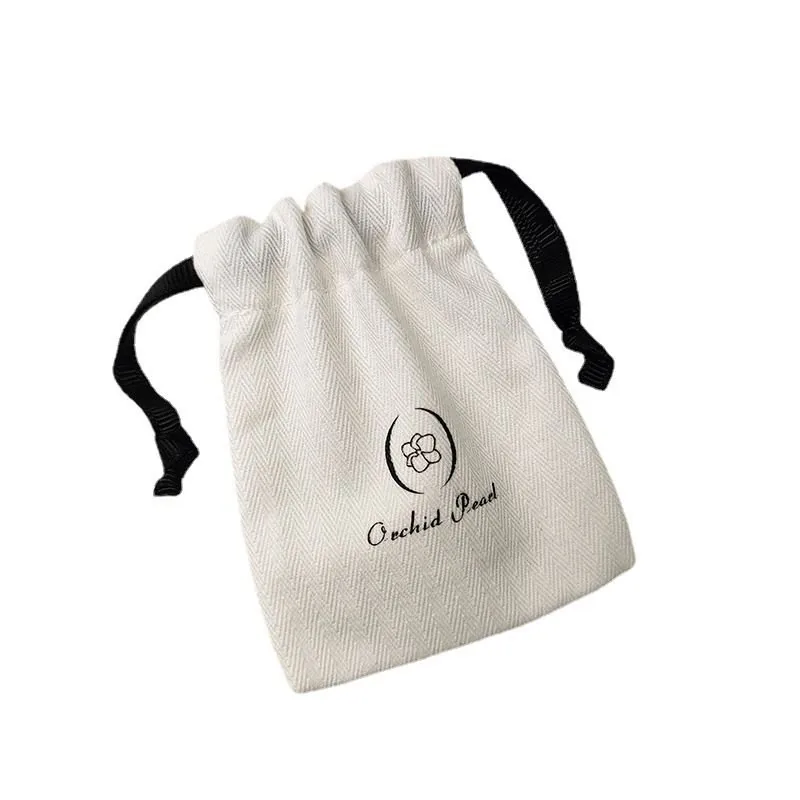
Cotton (typically calico/muslin, 100–180 gsm) is the workhorse of natural packaging. Its smooth, even surface takes screen printing and logo work cleanly, making it ideal for brands that want legible logos and a tidy, contemporary look. Organic and GOTS-certified cotton is available for brands with sustainability claims to protect.
Best for: cosmetics, apparel accessories, tech accessories, subscription boxes, and any brand wanting a clean canvas for a printed logo.
3. Linen Pouches
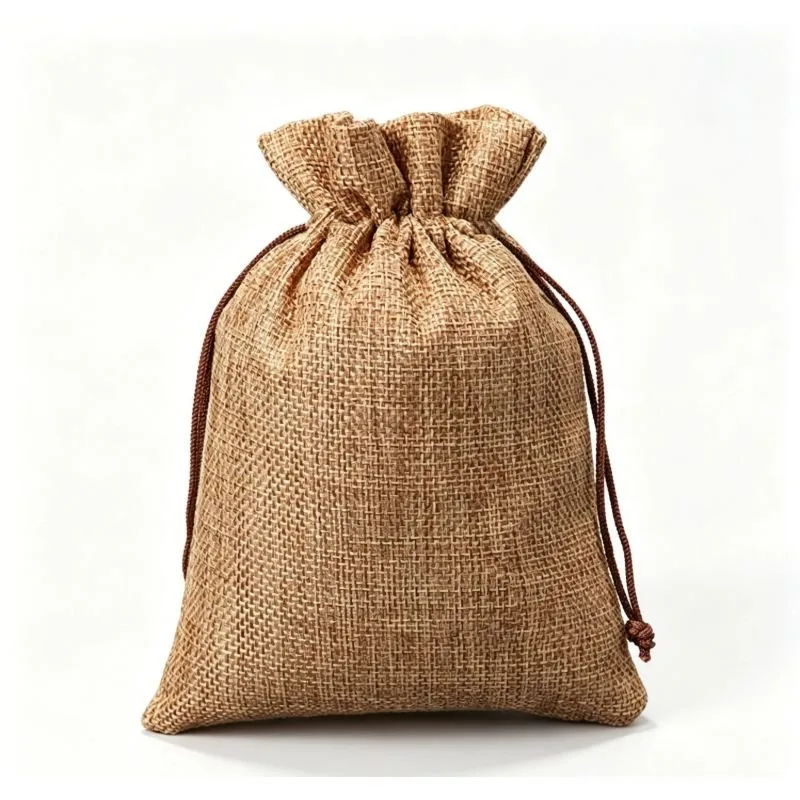
Linen (from the flax plant) has a characteristic slubby, textured weave that reads as "handmade" and "premium natural." It is actually stronger than cotton and gets softer with use. The texture adds tactile richness but slightly softens fine print detail.
Best for: artisanal jewelry, natural skincare, gourmet food, candles, and heritage or craft-positioned brands.
4. Sustainability Compared
Both are biodegradable and reusable, which already puts them ahead of plastic pouches. Key differences: linen (flax) generally requires less water and fewer pesticides to grow than conventional cotton, giving it a marginally lower footprint. However, organic cotton closes much of that gap and is easier to source certified. For a verified eco claim, look for GOTS (cotton) or European flax certification (linen), and pair the pouch with FSC-certified hangtags and recyclable outer packaging.
5. Which Prints Better?
Cotton wins for crisp, detailed, multi-color logos thanks to its smooth surface. Linen prints well too, but the weave texture gives a slightly rustic, "stamped" appearance — which many brands actually prefer for authenticity. For both fabrics, embroidery is a premium option that suits the natural aesthetic beautifully.
6. How to Choose
- Want a clean printed logo and lower cost → cotton.
- Want a textured, artisanal, premium-natural feel → linen.
- Need the strongest, most reusable bag → linen.
- Need a certified organic claim easily → organic cotton.
Still unsure? Order a mixed sample pack and decide with the fabric in hand — most buyers know within seconds of touching both.
Frequently Asked Questions
Is linen or cotton better for pouches?
Neither is universally better — it depends on your brand. Cotton is smoother, cheaper and prints crisper, ideal for clean modern logos. Linen is textured, stronger and reads as artisanal/premium-natural, ideal for craft and heritage brands. Order a sample pack to feel both.
Are cotton and linen pouches eco-friendly?
Yes — both are natural, biodegradable and reusable, far better than plastic. Linen (flax) typically uses less water and pesticide than conventional cotton, while organic/GOTS cotton closes that gap. For a verifiable claim, choose certified organic cotton or European flax linen.
Can I print a full-color logo on cotton or linen?
Cotton takes crisp multi-color screen printing thanks to its smooth surface. Linen prints well but the weave texture gives a slightly rustic look. Embroidery is an excellent premium option on both fabrics.
What is the MOQ and price for cotton and linen pouches?
Standard MOQ is 100 pieces. Cotton pouches start around USD 0.30/pc and linen around USD 0.45/pc at 100 pieces, dropping with volume. Price varies by size, fabric weight, certification and logo method.
Get a Custom Quote in 24 Hours
Free samples, free artwork mock-up, MOQ from 100 pieces. Factory-direct from Xiamen since 2014.