
1. Why Sustainable Packaging Matters in 2026
Three converging forces are making sustainable jewelry packaging a competitive necessity rather than a nice-to-have. First, consumer expectations: surveys consistently show that 60–70% of premium consumers consider packaging sustainability when choosing between otherwise comparable brands. Second, retailer requirements: major retailers including department stores and online marketplaces are beginning to mandate minimum sustainability standards for supplier packaging. Third, EU regulation: the Packaging and Packaging Waste Regulation (PPWR) creates legal compliance requirements for brands selling into Europe.
The sustainable packaging market is growing at approximately 6.1% CAGR through 2028. Brands that transition to certified sustainable packaging report an average 12–18% improvement in brand perception scores in consumer research, with conversion rate improvements particularly pronounced in the 25–40 age demographic.
2. Certifications That Actually Matter
The sustainable packaging space is full of vague claims — "eco-friendly," "green," "natural" — that carry no independent verification. The certifications below are the standard that serious buyers and regulators look for:
| Certification | What It Covers | Applies To | Documentation |
|---|---|---|---|
| FSC Chain of Custody | Sustainably sourced paper and board, fully traceable | Paper, board, kraft packaging | Certificate number + transaction records |
| GRS (Global Recycled Standard) | Verified recycled content percentage | Recycled polyester velvet, recycled nylon, blended fibres | Certificate + chain of custody records |
| GOTS (Global Organic Textile Standard) | Certified organic fibre content | Organic cotton, linen, hemp | GOTS certificate number |
| OEKO-TEX Standard 100 | No harmful substances in fabric | All textile packaging | Test report reference number |
3. Sustainable Material Options for Jewelry Packaging
For Pouches and Drawstring Bags
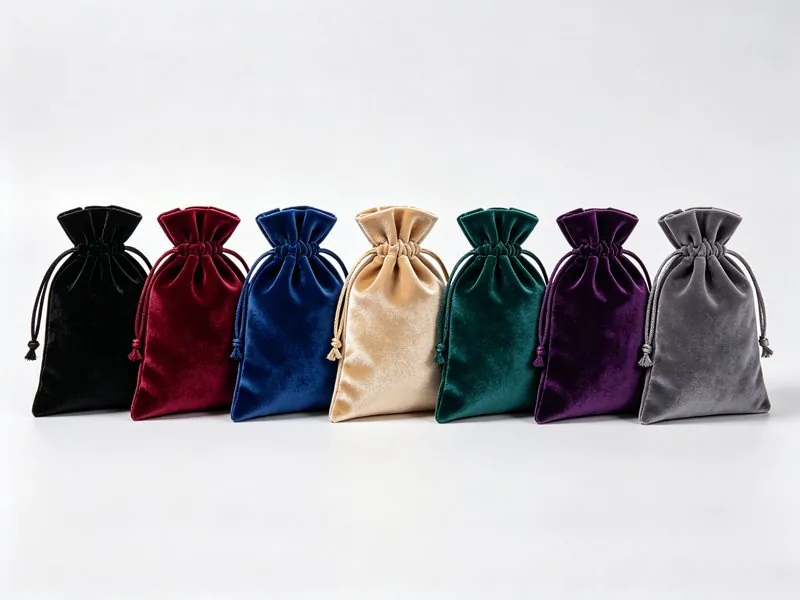
- GRS-certified recycled polyester velvet: Made from post-consumer PET (plastic bottles) — visually and tactilely comparable to standard polyester velvet, with documented recycled content. Most straightforward sustainable upgrade from conventional velvet.
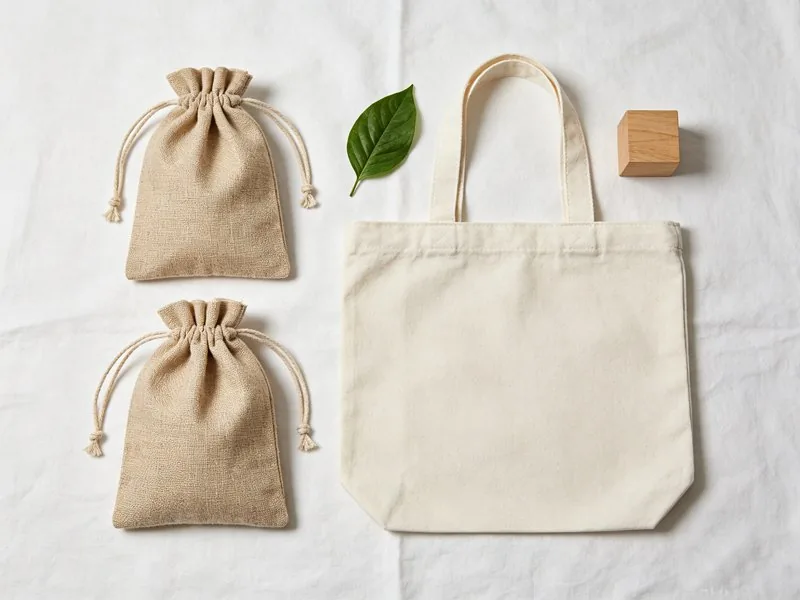
- Organic cotton (GOTS-eligible): Natural fibre, biodegradable, grown without synthetic pesticides. Available as canvas totes, muslin bags and cotton drawstring pouches. Particularly popular for wellness, artisan and natural product brands.
- Natural linen: Derived from flax plant, requires less water and pesticide than cotton, naturally biodegradable. A distinctly natural aesthetic that works well for artisan jewellery, ceramics and hand-crafted goods.
For Rigid Boxes
FSC-certified paper and board is the clearest path to sustainable rigid gift boxes. Brands should specify FSC-certified board for the box structure and FSC-certified paper for any printed inserts or tissue paper lining. Fabric velvet lining can be replaced with recycled paper, recycled cotton or GRS-certified recycled velvet to maintain sustainability alignment throughout the box construction.
4. Recycled Velvet for Jewelry Packaging
GRS-certified recycled polyester velvet is the most practical sustainable upgrade for jewelry brands currently using conventional velvet pouches. The production process:
- Post-consumer PET plastic (predominantly recycled bottles) is collected and processed into PET pellets
- Pellets are extruded into polyester fibre
- Fibre is woven into pile velvet fabric using conventional velvet weaving processes
- The completed fabric is audited and certified by GRS-approved third-party bodies
The result is fabric that is functionally identical to standard polyester velvet in softness, pile density, colour vibrancy and logo performance. Genesis offers GRS-certified recycled velvet in all standard colours from 500 pieces per colour (100 pieces for standard colours already in stock).
5. Sustainable Rigid Box Options
Transitioning to sustainable rigid boxes requires addressing three components: the structural board, the surface covering paper, and the interior lining. FSC-certified board and cover paper are the most accessible changes. For the interior, consider:
- Recycled paper lining instead of velvet — clean, minimal, fully recyclable
- GRS-certified recycled velvet lining — maintains the premium velvet feel with sustainable credentials
- Cotton padding — organic cotton batting for a natural, biodegradable interior
6. How to Make the Transition
For brands transitioning to sustainable packaging, a phased approach minimises disruption and cost:
- Phase 1 (immediate): Specify FSC-certified paper and board on all new box and bag orders at no additional tooling cost
- Phase 2 (next production run): Switch to GRS-certified recycled velvet for pouches — source your certification documentation at this stage for EU compliance reporting
- Phase 3 (brand communications): Update product pages, social media and packaging inserts to communicate your sustainable packaging commitment, referencing specific certifications
Ready to Switch to Sustainable Packaging?
Request a GRS recycled velvet sample alongside your standard velvet — compare them side by side and see the quality for yourself.
Frequently Asked Questions
What makes jewelry packaging sustainable?
Sustainable jewelry packaging uses materials that are either recycled (GRS-certified), recyclable (FSC-certified paper/board), biodegradable (natural cotton, linen), or reusable by the end consumer. Certification documentation — GRS for recycled content, FSC for responsibly sourced paper, GOTS for organic fibres — is what distinguishes genuinely sustainable packaging from greenwashing.
Is recycled velvet as good quality as standard velvet?
GRS-certified recycled polyester velvet performs comparably to standard polyester velvet in terms of softness, appearance and durability. The recycled fibre is mechanically processed from post-consumer PET (typically plastic bottles), then woven into pile fabric using the same process as virgin polyester. In practice, most customers cannot distinguish the difference by touch or appearance.
What certifications should I look for in sustainable packaging?
The most important certifications: FSC Chain of Custody (paper/board with traceable sustainable sourcing), GRS — Global Recycled Standard (verified recycled content in synthetic or blended materials), GOTS — Global Organic Textile Standard (organic natural fibres), and OEKO-TEX Standard 100 (no harmful substances). For EU market, ensure your supplier can provide documentation for PPWR compliance.
Does sustainable packaging cost more?
Yes, typically 15–30% more than conventional alternatives at equivalent quality and volume. GRS-certified recycled velvet carries approximately a 20% premium over standard polyester velvet. FSC paper costs 10–15% more than uncertified paper. However, many sustainable packaging buyers find they can command higher product prices or improve brand perception sufficiently to justify the premium.