
Why Vetting Matters More Than the Quote
When you're comparing five quotes for a custom pouch or gift box run, it's tempting to sort by price and pick the cheapest. But the quote is the least useful piece of information you'll get from a supplier during the inquiry stage — almost anyone can write an attractive number in an email. What actually predicts whether an order goes smoothly is whether the supplier is a real, capable, financially stable production facility that will still be answering your emails in month three of a dispute.
The good news is that unreliable suppliers tend to give themselves away early, if you know what to look for. None of the signs below are proof on their own — but two or three together should make you slow down before sending a deposit.
10 Red Flags to Watch For
1. They can't produce a business licence
Every legally operating manufacturer in China has a registered business licence (营业执照) showing the company name, registration number and approved business scope. A legitimate supplier will share a copy without hesitation. If a supplier stalls, sends a licence for a different company name than the one invoicing you, or the registered business scope doesn't include packaging or printing at all, treat it as a serious warning sign.
2. They're a trading company presenting as a factory
Trading companies aren't inherently dishonest — many provide a useful service — but a trading company that claims to be "the factory" and won't say otherwise is a problem, because you lose direct visibility into who is actually producing your goods, and pricing typically includes an undisclosed markup on top of the real factory cost. Ask directly: "Do you own and operate the production facility?" and ask for the factory address to cross-check against their claimed location.
3. They refuse a live video factory tour
A short video call — 15 to 20 minutes, showing the production floor, raw material storage and finished goods — costs a real factory nothing and is now a standard request in international sourcing. A supplier that stalls indefinitely, sends only pre-recorded promotional footage, or gets defensive when asked to pan the camera around freely, likely doesn't have the facility they're claiming.
4. They demand 100% payment upfront
Standard terms in the industry are a partial deposit before production (commonly 30%) with the balance due before or against shipment, often through a protected payment channel such as Alibaba Trade Assurance. A supplier that insists on full payment before starting work — especially on a first order with no trading history — is one of the highest-risk signals in sourcing. There is rarely a legitimate operational reason to require this from a new customer.
5. No physical sample before bulk production
Photos are not a substitute for a physical sample in your hands. Material weight, colour accuracy, stitching quality and logo registration can only be properly judged on a real piece. A supplier that pushes you straight to a bulk order "to save time," or charges an unreasonable amount for a sample with no offer to refund it against a future order, is avoiding a step that exists specifically to protect you.
6. Certifications that can't be independently verified
ISO 9001, FSC® chain-of-custody and BSCI audit certificates all have certificate or licence numbers that can be checked against the issuing body's public records. If a supplier can only offer a badge image with no certificate number, or the number doesn't resolve to their company name when checked, the certification claim isn't verifiable and shouldn't be taken at face value.
7. Pricing significantly below the market range
If four quotes cluster around a similar price and one is 40–50% lower for the same specification, something is different — thinner material, an uncertified paper substitute, a longer and unstated production queue, or a bait price intended to secure a deposit before renegotiating. A capable factory can usually explain, in specific technical terms, why its price is what it is.
8. Vague or inconsistent communication
Reliable suppliers assign a specific point of contact who remembers the details of your previous conversations and answers technical questions (material weight, print method limitations, structural tolerances) with specifics rather than generic reassurance. Frequent contact-person changes, copy-pasted responses that don't address your actual question, or answers that contradict earlier messages are all signs of a disorganised or overstretched operation.
9. No fixed, checkable factory address
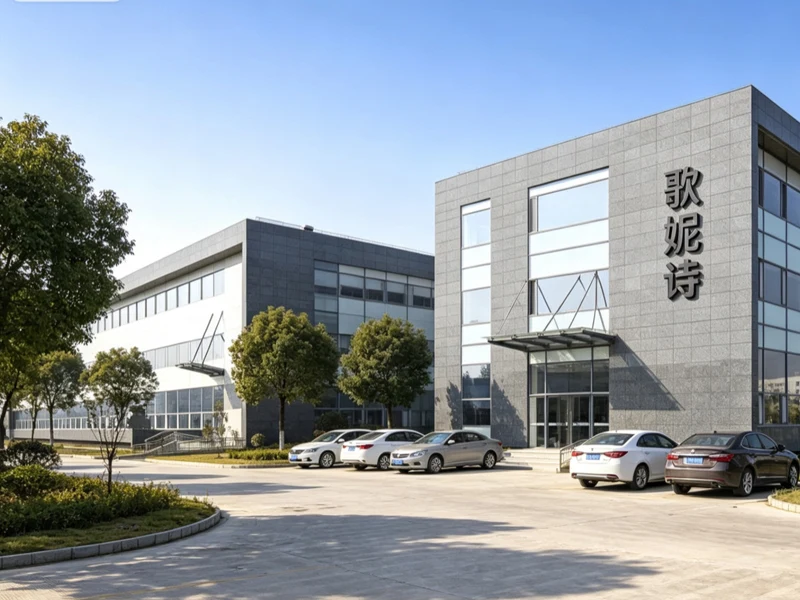
A real manufacturer has one consistent registered address that matches their business licence and that you can locate on a map in the city they claim to operate from. Be cautious of suppliers who give vague regional answers ("near Guangzhou") instead of a specific address, or whose address changes between conversations.
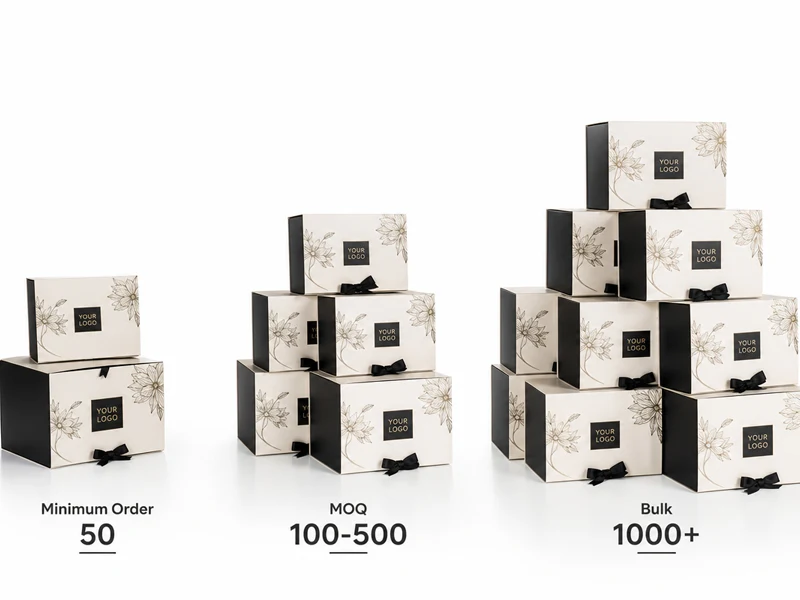
10. MOQ that moves suspiciously easily
Minimum order quantities exist because of real production economics — machine setup time, minimum fabric roll lengths, minimum print-run costs. A supplier whose stated MOQ of 500 pieces instantly drops to 50 the moment you push back usually didn't have a real MOQ in the first place, which often means the "factory" is actually a reseller assembling small orders from stock, not a manufacturer running your specific custom job.
Want to See Our Verification Documents Directly?
Genesis shares our business licence, ISO 9001, FSC® and BSCI certificates on request, and we're happy to do a live video factory tour the same day you inquire — no waiting required.
What a Trustworthy Manufacturer Looks Like Instead
Flip the ten warning signs above and you get a practical checklist for what good actually looks like:
- Shares a business licence and factory address without being asked twice
- Confirms directly that they own and operate their production facility
- Offers a live video factory tour, on request, within a few days
- Works on standard partial-deposit terms, ideally through a protected payment channel
- Insists on a physical sample before any bulk production, not just because you asked
- Provides certificate numbers you can independently verify
- Can explain their pricing in specific technical terms, not just "best price for you"
- Gives you one consistent point of contact who remembers your project details
- Has a fixed, checkable address that matches their paperwork
- Quotes an MOQ that holds steady because it reflects real production minimums
None of this requires special access or insider knowledge — it's simply a matter of asking direct questions early and paying attention to how (and whether) a supplier answers them.
FAQ
What's the most common problem when sourcing packaging from an unverified supplier?
The most common issue is a trading company presenting itself as a factory. They take your order, subcontract production to a third-party workshop they don't control, and quality, timelines and communication all suffer because you're dealing with a middleman rather than the people actually making your product. Always ask directly whether they own their production facility and request a live video tour to confirm.
How can I check if a supplier's certificates are real?
Ask for the certificate number and the name of the issuing body, then search the certification body's own database or contact them directly to confirm the certificate is current and belongs to that company. For FSC certification specifically, you can search the FSC public database by licence code. A supplier that hesitates or can't provide a certificate number is a warning sign.
Should I ever pay 100% of an order upfront?
No. Standard, sustainable industry practice is a partial deposit (commonly 30%) before production begins and the balance before or against shipment, ideally through a payment method with buyer protection such as Alibaba Trade Assurance or an escrow arrangement. A supplier that insists on full payment upfront, especially on a first order, is one of the clearest red flags in sourcing.
Is an unusually low price always a red flag?
Not always, but it deserves scrutiny. If a quote is significantly below the typical range for the material, quantity and customisation level you're requesting, ask specifically what is different — material substitution, thinner gauge board, uncertified paper, or a longer production queue are common explanations. A legitimate factory can usually explain its pricing logic in detail; a bait-and-switch operation usually can't.