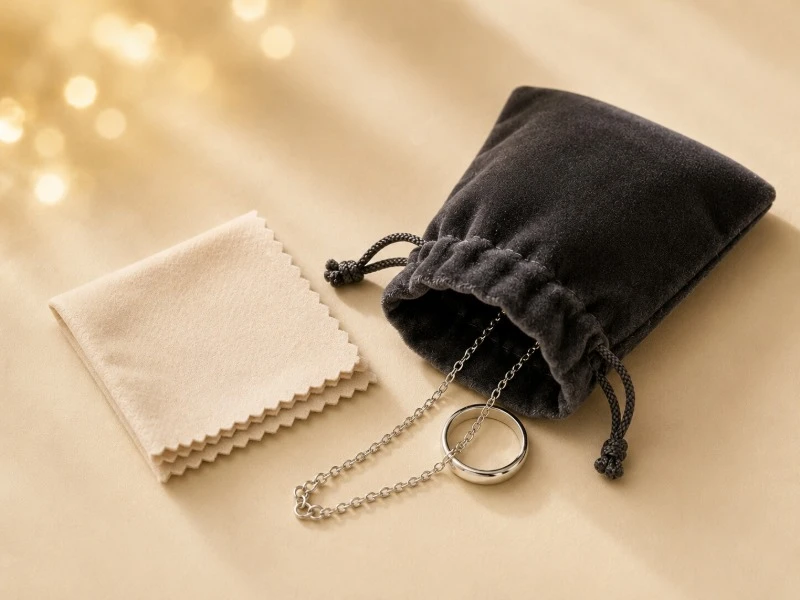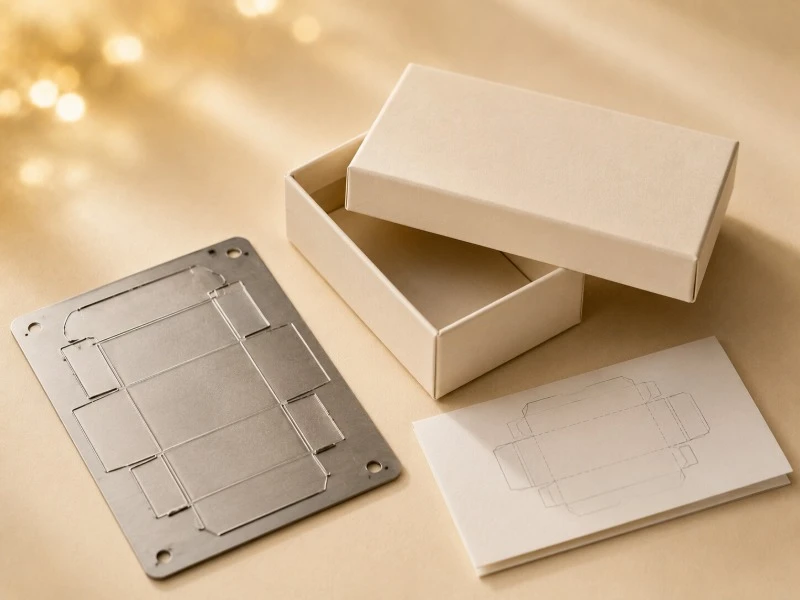
That single test captures the thing that actually separates a reliable supplier from a risky one, and it has almost nothing to do with price.
I've spent years on both ends of a supply chain — running factories, and buying from them. In medical-device manufacturing, where I built my first company around materials that go inside the human eye, you learn quickly that the cheapest quote is almost never the real cost. The real cost shows up months later, in the failures the low bid was quietly hiding. Packaging is no different. So before you compare prices, learn to read the five signals below. Together they tell you whether a factory treats packaging as an engineered product — or as a picture to print as cheaply as possible.
Signal 1: Do they ask you questions back?
When you describe what you need, a serious factory interrogates the brief. Ask about an insert to hold your product, and they'll ask its shape, its weight, and how it ships — then recommend a material to match (EVA, pearl cotton, molded pulp), not just tell you "cardboard is fine." Ask about color, and they'll ask for a Pantone number, a signed sample, and a ΔE tolerance, instead of promising to "get it close." Ask about foil, and they'll walk you through where hot stamping works and where it fails, rather than assuring you "our foil technique is very good."
The pattern: a reliable factory treats your order as a set of engineering problems to solve. An unreliable one says "yes, we can do that" to everything. Everything is exactly what you don't want to hear — because it means they haven't understood the problem yet, and the gaps will surface in the bulk run.
Signal 2: Do they catch the mistakes in your own files?
This is the test I opened with, and it's the most revealing one you can run. A factory that pre-flights your artwork — checking outlines, resolution, bleed, and minimum line weights before anything moves forward — is a factory with a real production process and people who own quality. A factory that lays out whatever you send, exactly as sent, is telling you it will do the same when the flaw is real instead of deliberate.
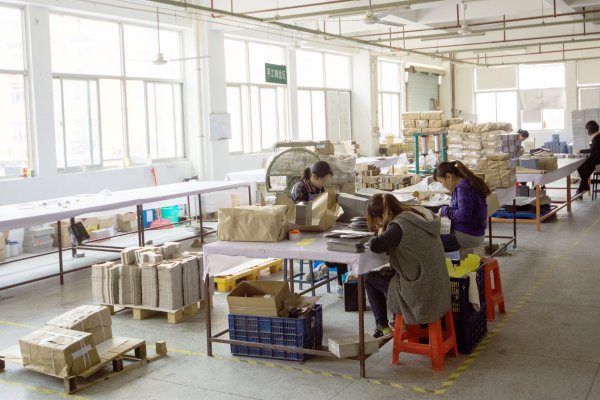
You're not testing their design skill. You're testing whether anyone between your email and the printing press is actually looking.
Signal 3: How detailed is the quotation?
A quote is a document, and its length tells you how the factory thinks. A reliable quotation specifies material and weight (by brand and gsm), the print process, the insert material, the quantity, tooling and sampling fees, the packing method, the lead time, and the quality standard it will be held to. It reads like a specification because that is what it is.
The red flag is the one-line quote: "X boxes, $X each." A single price with nothing behind it isn't a bargain — it's an unspecified promise. Everything that isn't written down is a decision the factory will make for you later, cheaply, without asking.
Signal 4: How seriously do they treat sampling?
Samples are the only thing in this whole process that can't lie. A professional factory runs a staged sampling process: a digital proof to confirm structure and content, a white sample to fit-test the real product, and an on-press proof to confirm color and finish. It won't mass-produce until you've signed that press proof — which then becomes the acceptance standard for the entire run.

The warning signs are all shortcuts: a sampling timeline that's implausibly short, photos offered in place of physical samples, someone else's sample passed off as yours, or pressure to place the bulk order before anything is signed. A factory in a hurry to skip sampling is a factory arranging its excuses in advance.
Signal 5: How do they behave before there's an order — and when something goes wrong?
Watch the relationship, not just the transaction. A reliable factory replies promptly, updates you without being chased, accepts third-party inspection, signs a proper contract, and works on staged payments. When a problem appears — and on a long enough timeline, one will — it names the cause, proposes a fix, and, if the error is theirs, absorbs the cost of putting it right, including air-freighting replacements when a launch is on the line.
The red flags cluster on the other side: a demand for full payment up front, refusal of inspection, a vague contract, a contact who vanishes the moment trouble starts, a rotating cast of account managers, and a conversation that only ever talks about price — never about the process risks that low price is quietly cutting.
| Signal | Reliable factory | Risky factory |
|---|---|---|
| Do they ask questions back? | Interrogates the brief — asks for shape, weight, shipping method, Pantone number, ΔE tolerance | Says “yes, we can do that” to everything |
| Do they catch errors in your files? | Pre-flights artwork: outlines, resolution, bleed, minimum line weights | Lays out whatever you send, exactly as sent |
| How detailed is the quote? | Material and gsm by brand, print process, insert, tooling and sampling fees, packing, lead time, quality standard | A one-line quote: “X boxes, $X each” |
| How do they treat sampling? | Digital proof, white sample, on-press proof — no production before you sign | Photos instead of samples; pressure to order before anything is signed |
| How do they behave under pressure? | Names the cause, proposes a fix, absorbs air freight when the fault is theirs | “Screen color difference”; vanishing contacts; full payment up front |
The one sentence that ties it together
A reliable factory dares to ask you hard questions, dares to be difficult at the sampling stage, and dares to write the acceptance standard into the contract. A factory that answers "no problem" to everything and quotes a price that seems too good to be true is not offering you a deal — it's deferring every hard decision to a moment when it's too late, and too expensive, to fix.
Frequently Asked Questions
What is the fastest way to test a Chinese packaging factory?
Send artwork containing one small, deliberate error — text not outlined, a foil line too fine to hold, a missing bleed. A factory that pre-flights your files, checking outlines, resolution, bleed and minimum line weights, catches it before anything moves forward. A factory that lays out whatever you send exactly as sent is telling you it will do the same when the flaw is real. You aren't testing their design skill; you're testing whether anyone between your email and the printing press is actually looking.
What should a proper packaging quotation include?
Material and weight by brand and gsm, the print process, the insert material, the quantity, tooling and sampling fees, the packing method, the lead time, and the quality standard it will be held to. It reads like a specification because that is what it is. The red flag is a one-line quote — "X boxes, $X each" — because a single price with nothing behind it is an unspecified promise, and everything not written down is a decision the factory will make for you later, cheaply.
What does a serious sampling process look like?
Staged. A digital proof to confirm structure and content, a white sample to fit-test the real product, and an on-press proof to confirm color and finish — with no mass production until you have signed that press proof, which then becomes the acceptance standard for the entire run. The warning signs are all shortcuts: an implausibly short sampling timeline, photos offered in place of physical samples, someone else's sample passed off as yours, or pressure to place the bulk order before anything is signed.
What are the red flags when choosing a packaging supplier?
A demand for full payment up front, refusal of third-party inspection, a vague contract, a contact who vanishes the moment trouble starts, a rotating cast of account managers, and a conversation that only ever talks about price and never about the process risks that low price is quietly cutting. A factory that answers "no problem" to everything and quotes a price that seems too good to be true isn't offering a deal — it's deferring every hard decision to a moment when it's too late and too expensive to fix.
Send us a brief with a deliberate flaw. Ask for the ΔE tolerance in writing. Push hard on the sampling stage. A supplier worth keeping for years is one that welcomes the scrutiny — because that scrutiny is exactly what protects your brand once the container leaves the port. Genesis Bags (genesisbags.com) is a factory-direct custom packaging manufacturer in Xiamen, China: velvet pouches, satin bags, cotton & linen bags, magnetic gift boxes, rigid boxes and drawer boxes. OEM/ODM, MOQ from 100 pcs, worldwide shipping.