Everyone knows products expire. Almost nobody thinks the same about the box or the bag — it's just packaging, sitting quietly in a warehouse, surely it keeps. It doesn't. Packaging is made of materials, and materials react to humidity, light, pressure, and time whether anyone is watching or not. Buying in bulk to get a better unit price is a sound instinct, but if the goods degrade before you use them, the discount was an illusion. Here's how long each material actually lasts, and what makes the difference.
How each material fails, and how fast
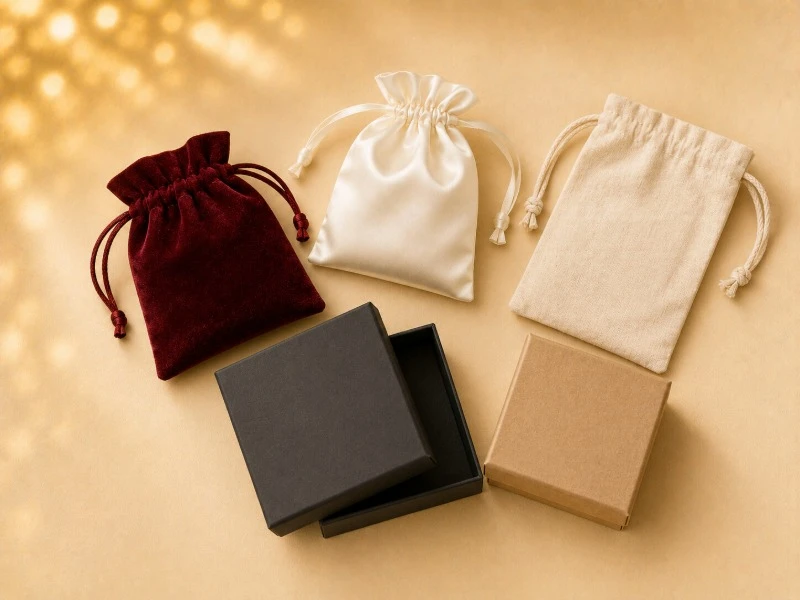
Velvet pouches develop crush marks where the pile has been flattened under weight, absorb moisture and grow mold, and slowly yellow through oxidation — typically starting to show after six to twelve months.

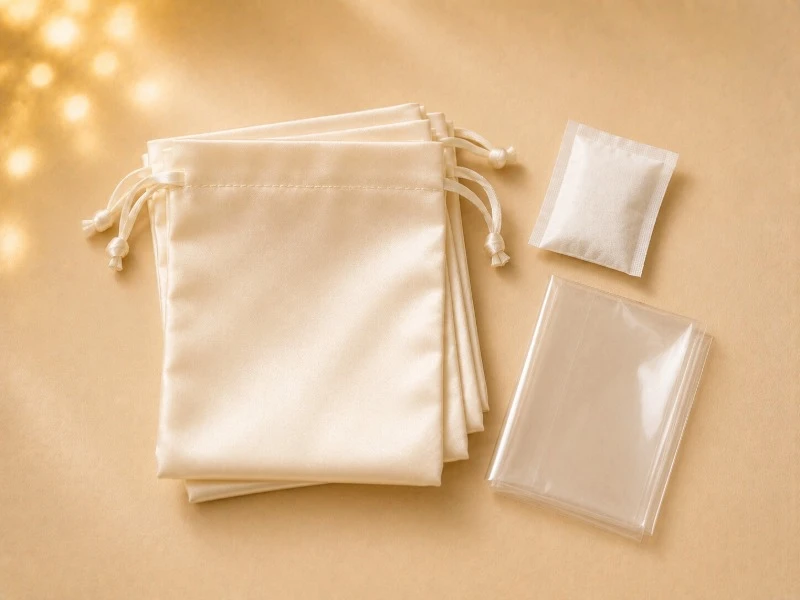
Satin pouches yellow, snag, and crease. White satin is the most vulnerable material in this whole list: it can start turning cream in three to six months, which is exactly what happened above.
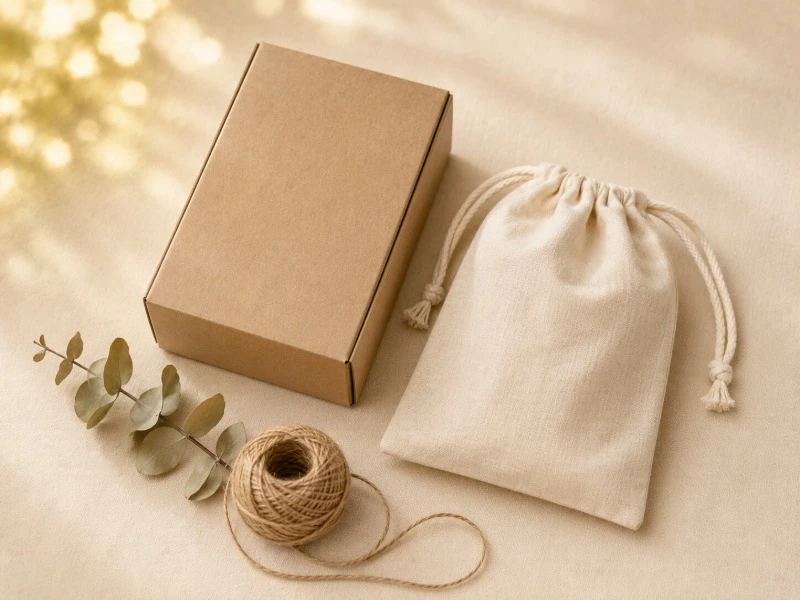
Cotton-linen bags shrink if they were never pre-shrunk, and in humid conditions they mold and attract insects — mold can appear within about three months in a damp warehouse.
Paper boxes absorb moisture, warp, delaminate at the film, and their adhesive ages and lets go — usually noticeable after around twelve months.
Magnets rust in humidity and lose their pull, which is how a magnetic gift box ends up with a lid that no longer closes properly.
Ribbon and drawstrings fade, grow brittle, and work loose at the knots.
Notice the pattern: humidity drives most of it, pressure causes the rest, and pale colors show damage first.
| Material | How it fails | First signs appear |
|---|---|---|
| Velvet pouches | Crush marks, moisture absorption and mold, yellowing through oxidation | 6–12 months |
| Satin pouches (white) | Yellowing to cream, snags, creasing — the most vulnerable material listed | 3–6 months |
| Cotton-linen bags | Shrinkage if never pre-shrunk; mold and insects in humidity | ~3 months in a damp warehouse |
| Paper boxes | Moisture absorption, warping, film delamination, adhesive ageing | ~12 months |
| Magnets (in magnetic boxes) | Rust in humidity, weakened pull, lids stop closing | Internal — often invisible from outside |
| Ribbon and drawstrings | Fading, brittleness, knots working loose | Gradual |
The other case worth knowing
A client stockpiled 50,000 magnetic boxes in a damp warehouse for a year. The magnets rusted, their pull weakened, and the lids stopped closing cleanly. The boxes looked fine from the outside — the failure was internal, in the one component that makes a magnetic box work.

That's the quiet danger with stored packaging: the damage isn't always visible until you're at the point of packing an order and it's too late to reorder.
Storing it properly
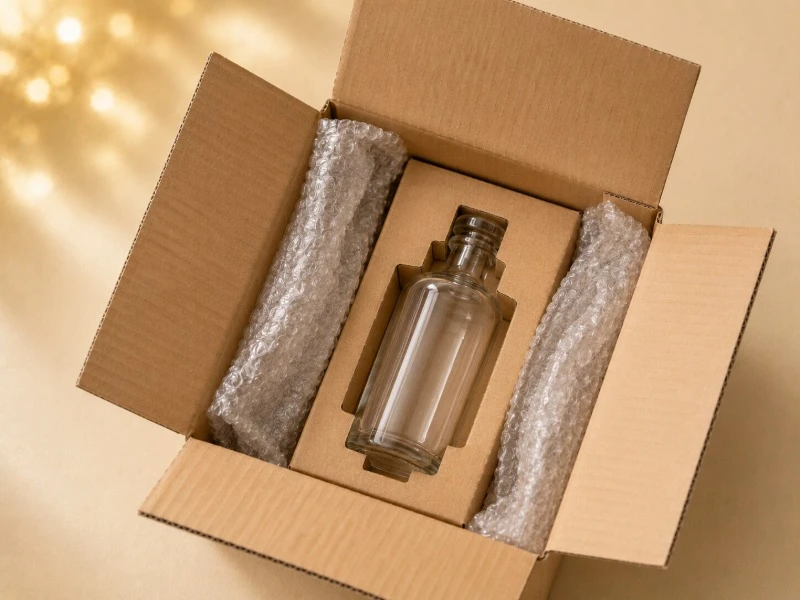
Four things matter, and none of them are expensive. Environment: dry, cool, ventilated, with humidity held below about 50%. Stacking: don't stack heavy — velvet and satin take crush marks under weight — and lay paper boxes flat rather than standing them on edge. Individual protection: each pouch or box in a PE bag with desiccant, against moisture and dust. Outer packing: moisture-resistant corrugated cartons, palletized and wrapped, kept off the floor. And check a sample every three months for mold, warping, or color shift — so you find out with time to react.

How much to buy
Three rules of thumb. Don't stockpile more than twelve months' worth, especially in white, pale colors, or velvet. If you must hold stock long-term, favour darker colors and moisture-resistant constructions — the risk is dramatically lower. And order 10–20% above your requirement to cover losses, because some attrition in storage is normal.
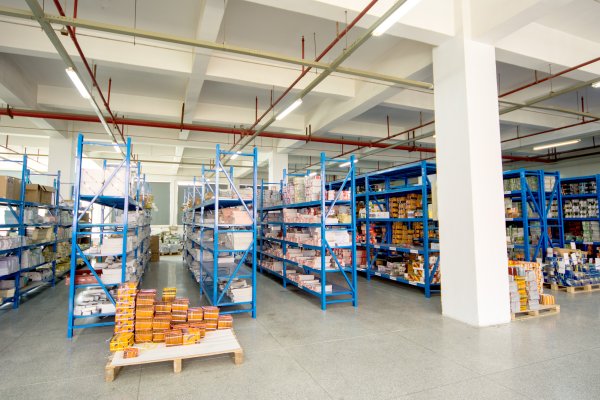
The underlying point is simple: a unit-price saving that doesn't survive the warehouse isn't a saving. Bulk buying is genuinely the right move for a stable, established product — but the calculation has to include how the material behaves over time, not just what it costs per piece today.
At Genesis Bags (genesisbags.com) we'll tell you honestly how long a given material holds up before you commit to a year's stock, and we'll suggest storage protection — individual PE bags, desiccant, moisture-resistant outer cartons — as part of the order rather than as an upsell. Sometimes the right advice is to order less and reorder sooner. White satin doesn't wait for Valentine's Day.
Frequently Asked Questions
How long does packaging last in storage?
It depends on the material. Velvet pouches start to show crush marks, moisture damage and yellowing after roughly six to twelve months. White satin is the most vulnerable material of all and can begin turning cream in three to six months. Cotton-linen bags can mold within about three months in a damp warehouse. Paper boxes usually show moisture absorption, warping, delamination and adhesive failure after around twelve months, and magnets rust in humidity and lose their pull.
Why did my white satin pouches turn cream in storage?
Oxidation and humidity. Satin yellows, snags and creases over time, and white satin shows it first — pale colors always do. Humidity drives most storage damage and pressure causes the rest. The failure is often internal and invisible from outside, which is the quiet danger with stored packaging: you discover it at the point of packing an order, when it's too late to reorder.
How should packaging be stored?
Four things, none of them expensive. Keep the environment dry, cool and ventilated with humidity below about 50%. Don't stack heavy — velvet and satin take crush marks under weight — and lay paper boxes flat rather than on edge. Put each pouch or box in a PE bag with desiccant. Use moisture-resistant corrugated outer cartons, palletized, wrapped and kept off the floor. Check a sample every three months for mold, warping or color shift.
How much packaging should I stockpile to get a better unit price?
Not more than twelve months' worth, especially in white, pale colors or velvet. If you must hold stock long-term, favour darker colors and moisture-resistant constructions, where the risk is dramatically lower. Order 10–20% above your requirement to cover normal attrition. A unit-price saving that doesn't survive the warehouse isn't a saving.
Ask how the material ages before you commit to twelve months of stock. Genesis Bags (genesisbags.com) is a factory-direct custom packaging manufacturer in Xiamen, China — velvet, satin and cotton-linen pouches, rigid boxes, magnetic and drawer boxes. OEM/ODM, MOQ from 100 pcs, worldwide shipping. Tell us your volume and timeline, and we'll advise what to order now and what to hold.